It’s November 2025. I am on my journey to becoming a data explorer. It all started during a long vacation I took to recover from a health condition.
At first, I was just too weak mentally to pick up any new knowledges, so I turned to simple manual work. That’s when sewing quietly entered my life. I didn’t expect that my two paths would intertwine.
Stitch by Stitch
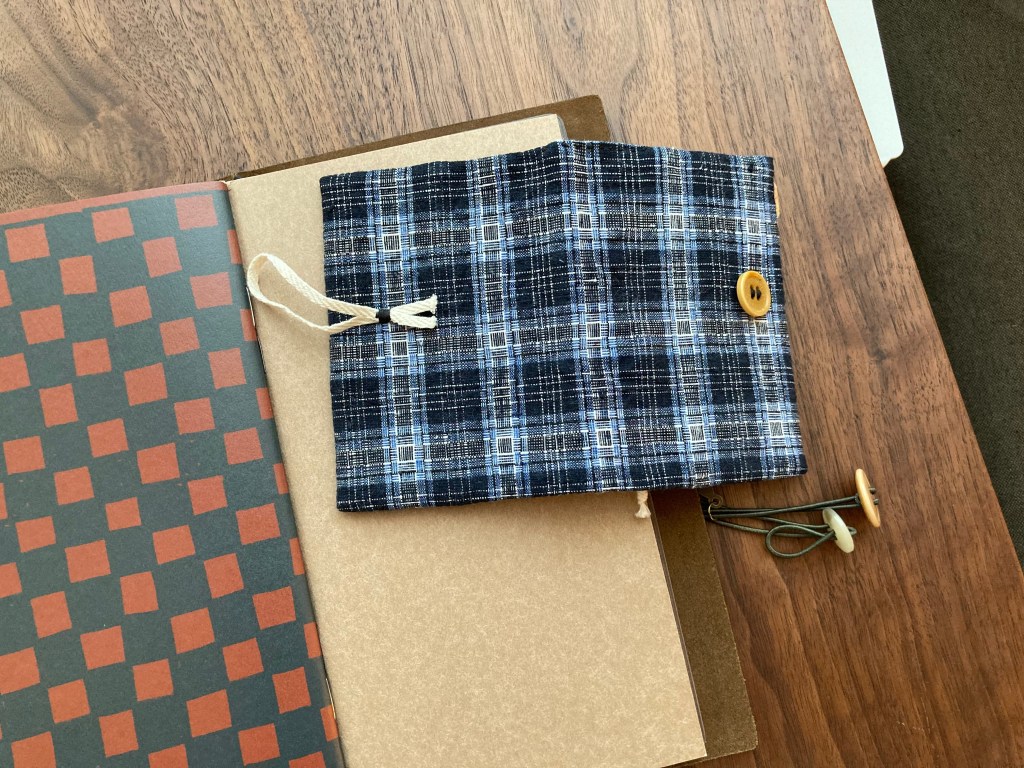
While recovering, I began watching videos on craftsmanship. One day, I came across a tutorial on making a fabric book cover. I followed along and created one of quiet warmth.
The fabric I picked was handwoven by my grandmother on an old-style loom. The cover didn’t look particularly striking at first, yet as I keep it, my love for it grew. Every stitch was made by hand, and the process, though slow, was deeply comforting.
“How fascinating fabric work is! I wish I had a sewing machine,” I thought.
A week later, I bought a very good one — my very first sewing machine. Having never used one before, I read the manual word by word, learning patiently how to thread, adjust tension, and start sewing. Then came an unstoppable flow of projects: tissue box covers, handbags, Roman curtains, scissor cases, tissue bags, coasters, pincushions, and even water bottle covers.
Sewing is like a charm, and I just could stop exploring its new possibilities. My hobby became irresistible addiction.
Becoming a Self-Taught Dressmaker
Eventually, I decided to take on a bigger challenge: making clothes.
It wasn’t easy at first. I watched many more videos. I bought patternmaking paper, beautiful fabrics from Liberty and Merchant & Mills, and tools like pins, rulers, water-erasable pens, a dress form, a thread color sample book, and matching threads, feeling fully equipped.
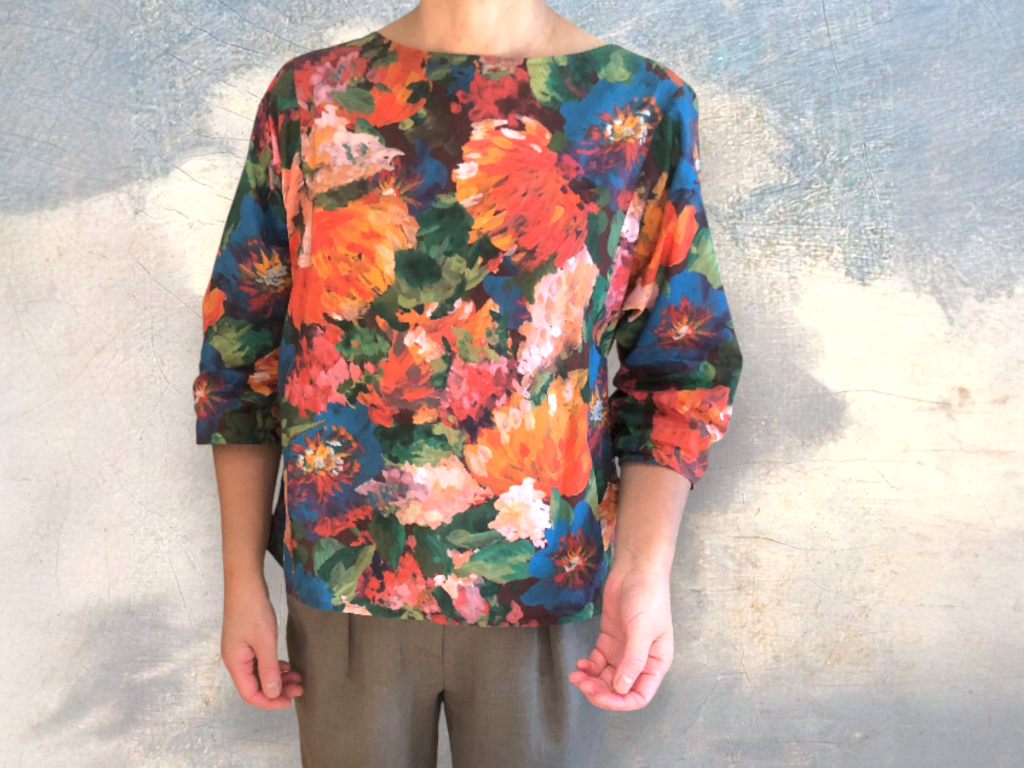
I was not yet able to design my own pattern, so I decided to copy existing garments. I studied every detail — how the stitches were done, and in what order. Sewing pattern could be drawn by putting the patternmaking paper above the shirt and tracing the shirt’s figure. My first clothes made was a colorful shirt for my mum, which looks not too bad! Along the way, I learned how to sew neck bindings, attach sleeves, make and install clasps, and finish hems.
Sometimes I was so intrigued by a topic and I searched and watched video one after another, couldn’t stop. Sometimes I was with the health condition, so I had to take some time off.
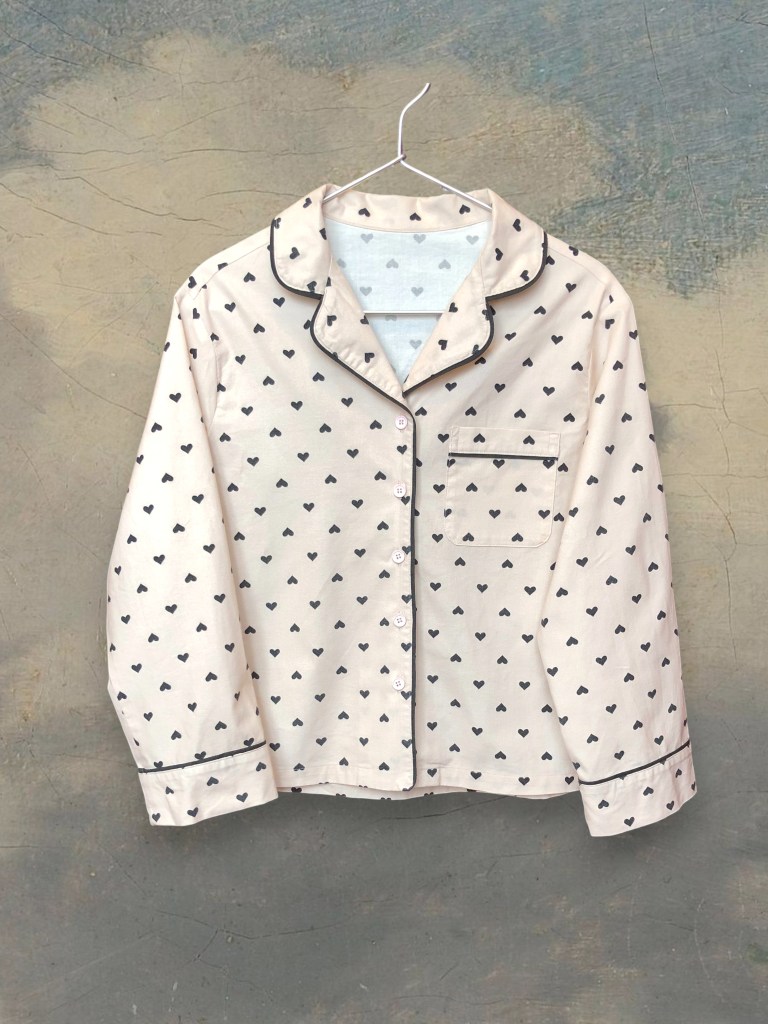
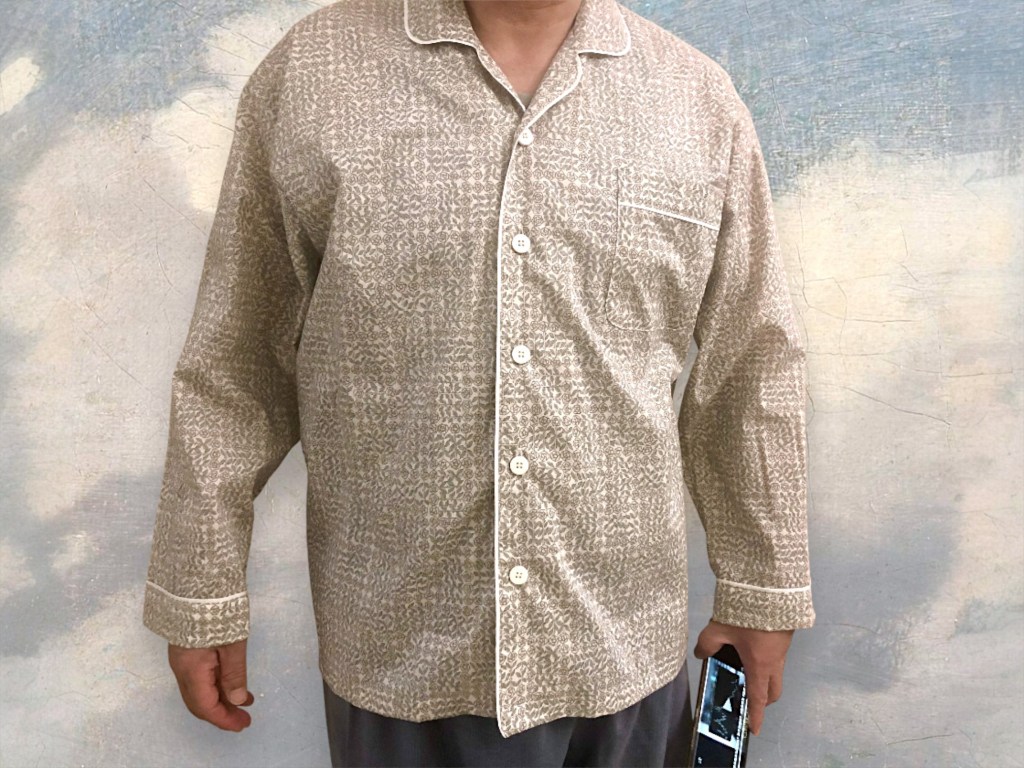
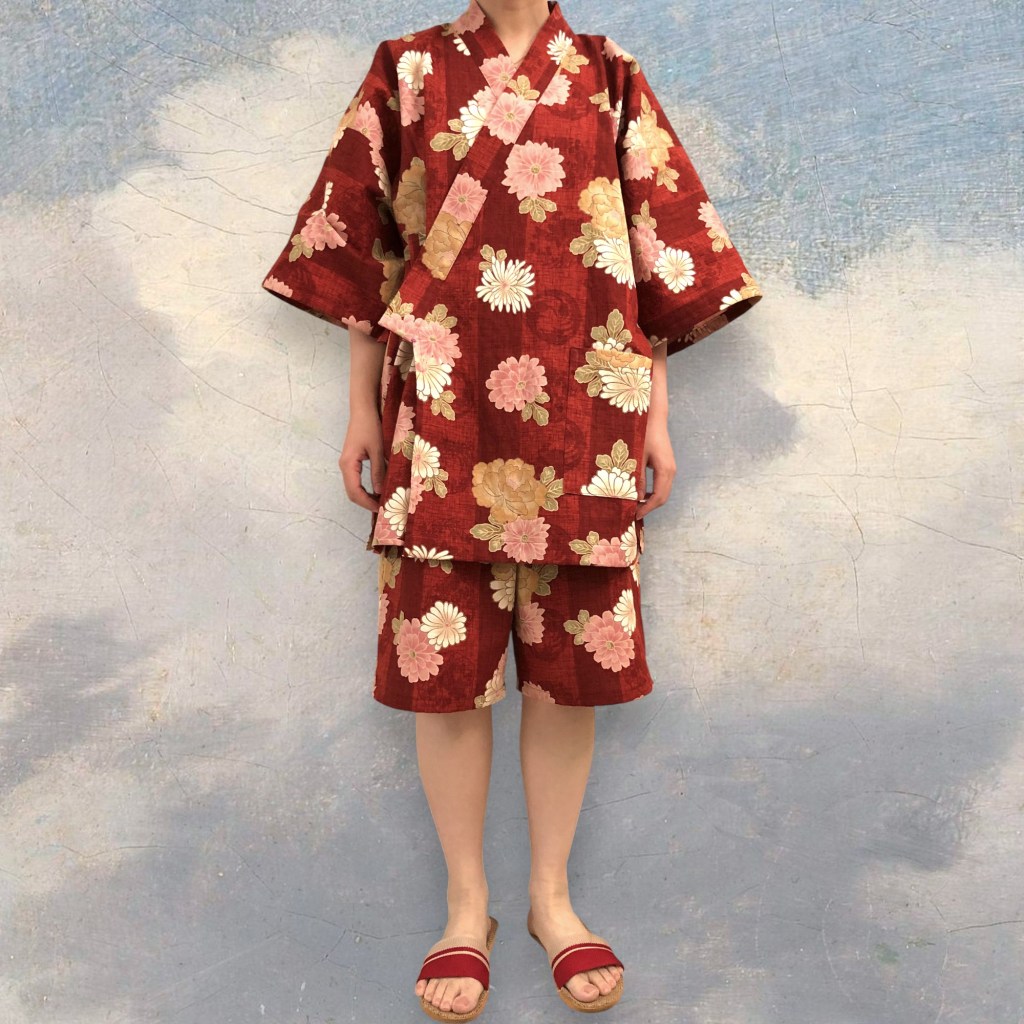
Gradually, I became a self-taught dressmaker – a hobbyist, not a professional of course. I made pajama sets, shirts with various patterns, a wrap skirt, shorts, pants, and a jinbei, a traditional Japanese loungewear set. Through these projects, I gained some basic ideas about sleeve shapes and how they fit with the clothes, and I became able to make some modifications myself. I learned how to add pajama piping and facing. I grasped and figured out how to make a button fly, which can be quite challenging. Not to mention many other skills. I also gained more confidence and happiness.
My sewing journey continues. Looking back, I realize how far I’ve come.
A year ago, I didn’t even know how to use a sewing machine, and now I’m making my own clothes!
All the process is driven by passion and achieved by accumulating skills little by little.
Turning Toward Data
As my health improved, I felt ready to focus again on something professional. I’ve always been drawn to data analysis and sometimes regret not pursuing a master’s degree in analytics. Northwestern has very prestigious program. I got a 3.94 GPA (even though my final GPA ended lower last quarter) at Northwestern the time in Senior year when I applied graduate school. So, I probably had a fair chance getting in.
Reflecting on my background, I realized I already had a strong foundation:
- solid SQL knowledge
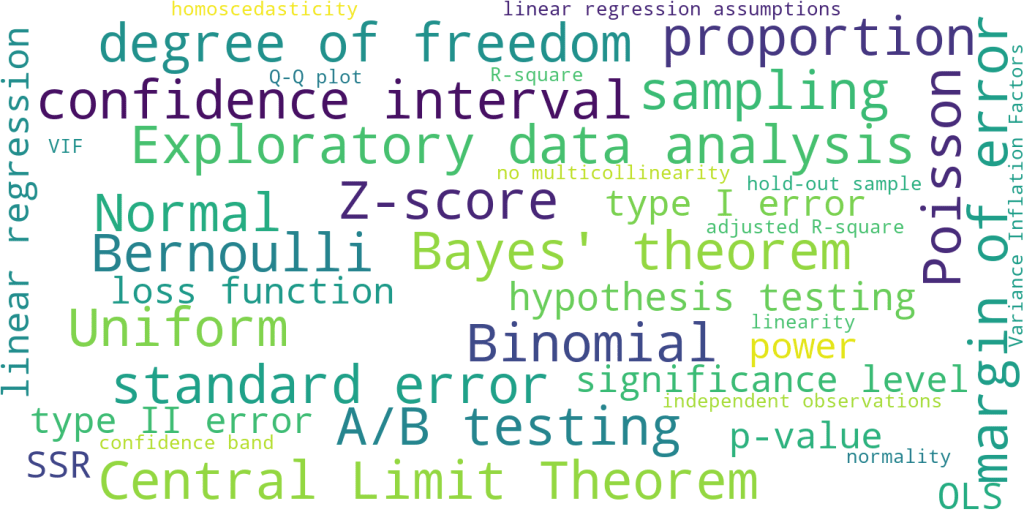
- several statistics courses from college and grad school
- backgrounds in math, economics, and engineering
- Python experience
- work in data services and risk management consulting
- attention to detail
- and, most importantly, a passion and an inquisitive mind
If driven by passion, I could become a tailor from zero to one, why can’t I learn data analytics on my own pace?
Building My New Toolkit
I researched and enrolled in two Coursera programs:
- IBM Data Analyst Professional Certificate
- Google Advanced Data Analytics Professional Certificate
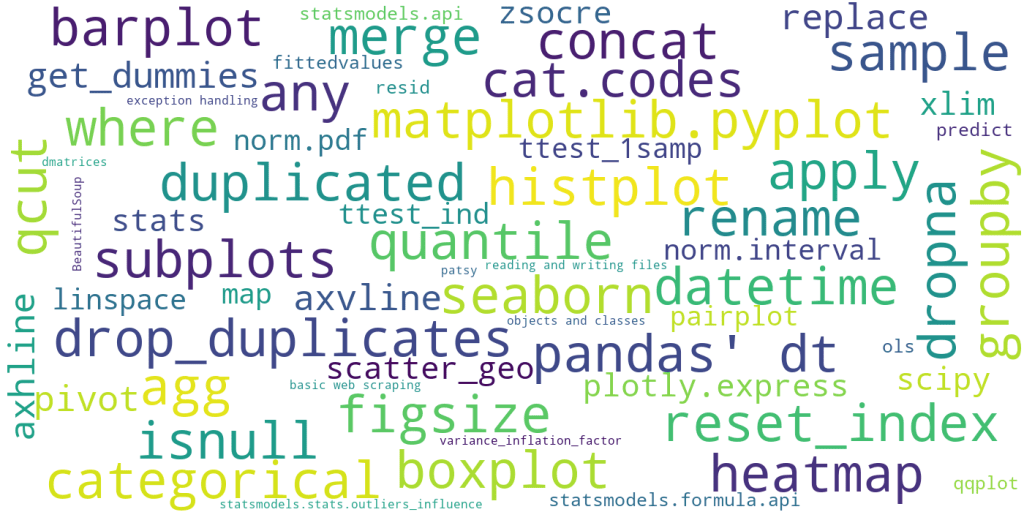
Together they include 19 courses, both heavily focused on Python. The Google track also covers statistics and machine learning — topics I’m eager to master — while the IBM track includes web scraping and Tableau, both useful for data projects.
To strengthen my logic and SQL fluency, I started solving LeetCode database problems daily. After finishing these certificates, I would like to get to know more about A/B testing (I’ve already found two Udacity courses) and participate in Kaggle projects to apply my skills.
So far, six weeks have passed. I am doing okay:
- ✅ 3 IBM courses completed
- ✅ 2 Google courses completed
- ✅ 90 SQL problems solved (easy + medium)
- ✅ 15 algorithm problems solved (for fun!)
I review often using the Ebbinghaus memory curve, since my working memory tends to outperform my long-term memory. I hadn’t coded in Python or SQL for a while, but now my skills are warming up again — and I can almost feel neurons reconnecting in my brain. 😊
Sewing and Data — Patterns of the Same Thread
Sewing and data analysis might seem unrelated, yet they share the same spirit. Both require precision, creativity, patience, and curiosity. Whether I’m stitching a sleeve or writing a loop, I find joy in creating something meaningful — one step, one line, one stitch at a time.
I will keep posting my progress on this blog along the way.
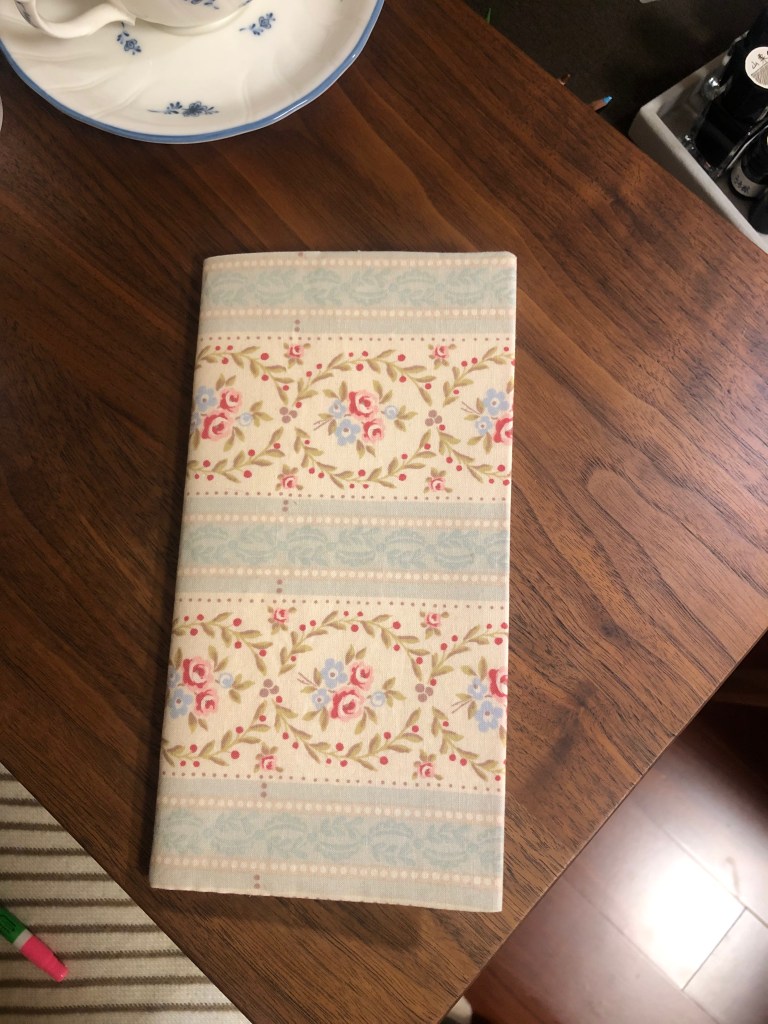
Below are some of my sewing works. Some of the photo backgrounds were edited using PhotoRoom.



 From Thread to Data